
HOAs: The Ups and Downs of Homeowners Associations
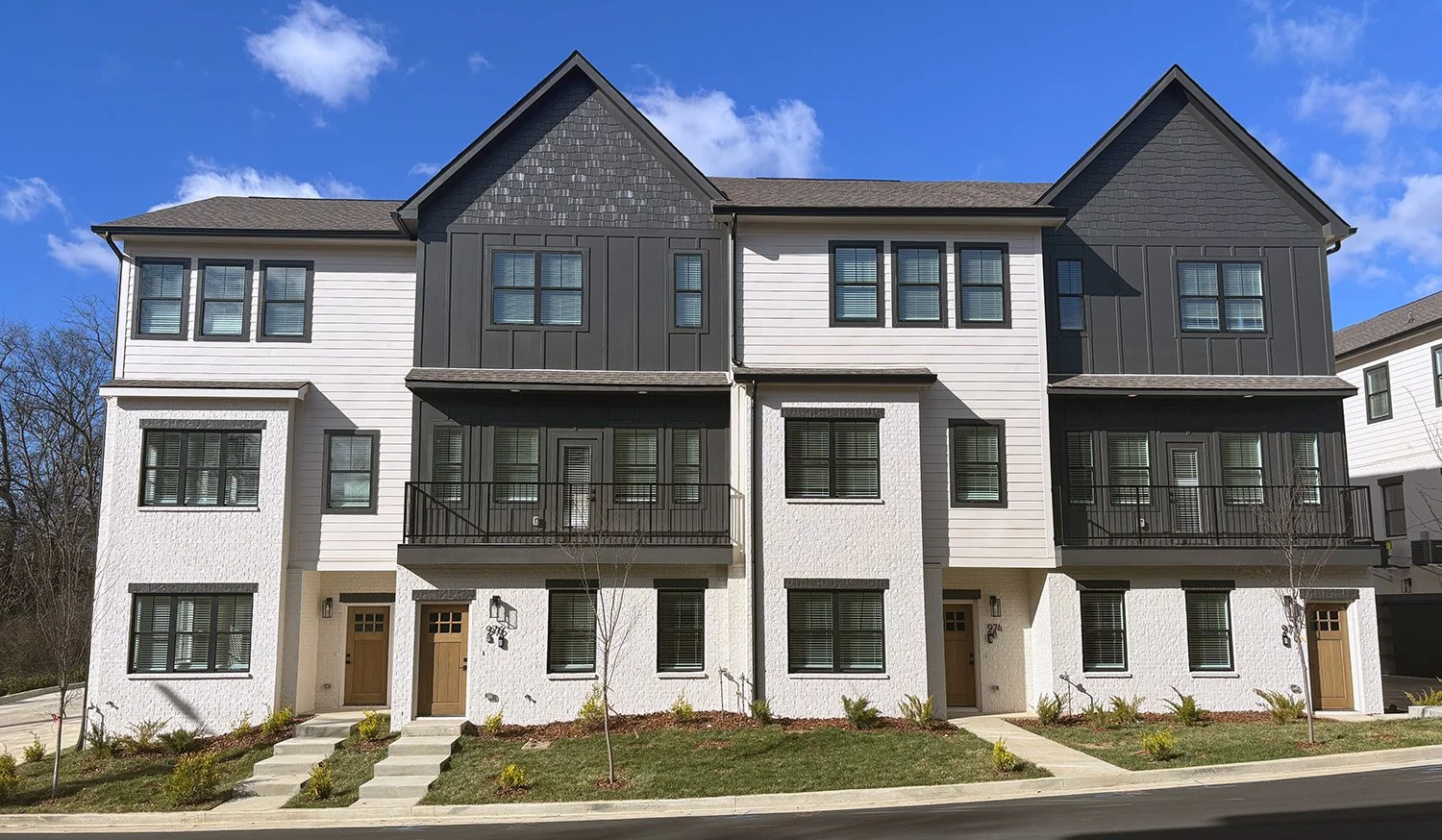
If you’re looking for a home, especially one built in the last 20 years, you’ve probably encountered an HOA. Homeowners Associations are becoming increasingly common, especially in the South. In 2022, the U.S. Census Bureau reported that 84% of new home sales were in HOA communities. Many of us have heard anecdotes about exacting board members and ridiculous rules, but are HOAs as bad as the stories say? Below, we go into the what and why of Homeowners Associations, and do our best to give a balanced view on the challenges and benefits of living in one.
What Is an HOA?
In its simplest form, a Homeowners Association is a private organization made up of property owners that governs a community. That governance can range in scale from maintaining a shared road to requiring homes to be painted a specific color. While they’re particularly common in condo communities where shared roofs and walls need to be maintained, they can also include single-family homes with few shared amenities.
HOAs can vary widely based on the type of community they’re governing, but almost all of them:
are non-profits
are run by a board of volunteers
regularly collect dues to fund maintenance projects
make and enforce a set of rules that govern the community
There are two types of HOAs you might encounter: voluntary and mandatory. A voluntary HOA is not connected to the deed to your home and is optional to enter. You’ll still pay dues, but you can choose to leave the association without penalty.
A mandatory HOA is one that you must join upon purchasing a home within the managed community. These are far more common than voluntary HOAs and are usually what people are referring to when talking about a Homeowners Association. You’ll remain a member for as long as you own the property, and your membership will pass to whoever you sell your home to if you decide to move.
Mandatory HOAs are legally incorporated and are subject to state laws. Many states and municipalities require HOAs to register with the government, including keeping the most up-to-date version of their rules on file. That said, these associations often have broad leeway in the rules they create and can use fines, liens, and even foreclosures to enforce them.
Why Do HOAs Exist?
In some cases, HOAs exist out of necessity. Shared spaces require upkeep, after all. Neighbors need to work together on maintenance when homes share walls, roofs, or driveways. Condos, townhomes, and horizontal property regimes (HPRs) will all have some kind of association or covenant. While they may have rules for resident behavior, the association’s most important role is maintaining shared structures and spaces.
For towns and cities, HOAs can be an opportunity to offload expensive responsibilities to a third party. If the HOA has a private road, they’re generally responsible for keeping it paved and plowed in places that experience snow. In some places, the Homeowners Association might even be responsible for maintaining utilities.
For the city, the HOA community is a source of tax revenue that comes with fewer expenses than a standard residential street. Some municipalities will even require builders to create an HOA for their new development before approving their project.
From the city’s perspective, it makes a lot of sense. If a new development doesn’t have a Homeowner’s Association, the city will be responsible for the cost of maintaining new roads, sidewalks, and utilities servicing dozens or even hundreds of new homes while the developer pockets all the profit from selling the new properties. By requiring the developer to figure out how to maintain these new public spaces, the city avoids a sudden drastic increase in expenses.
Although developers and city policy play a large role in the current trend towards HOAs, they're not solely responsible for their existence. Sometimes, a neighborhood has an HOA simply because the people living there wanted one. Maybe they wanted more road maintenance than the city was willing to perform, or maybe they all felt strongly about keeping up the general appearance of their neighborhood.
According to a Rocket Mortgage study, 57% of people living in HOAs don’t like it - but that means that nearly half of folks with homeowners associations enjoy them. Whatever the residents’ reasons, sometimes an HOA exists simply because people like living in them.
The Benefits of HOAs
While they may have garnered a reputation, HOAs aren’t all bad. In some cases, they’re indispensable. For example, apartment-style condo communities need to maintain shared spaces like hallways and rooftops. Those spaces don’t belong to any one person, but everyone relies on them being kept in good condition. The HOA will collect funds from the community to pay for regular maintenance.
A well-run HOA can improve property values by keeping public spaces well-maintained. A 2019 Journal of Economics report found that homes with HOAs sold for an average of 4% more than those without. In addition, many communities have rules requiring residents to keep their properties maintained to a certain standard, sometimes by keeping lawns maintained or trash cans out of sight outside of pickup hours. If manicured surroundings are important to you, this can be a major boon.
They may even help organize services not provided by the city, such as trash or recycling pickup. In addition to services, some communities provide amenities you might otherwise not have access to. An HOA can offer its members exclusive access to pools, clubhouses, tennis courts, or other community spaces by pooling resources to maintain them. Some will even provide community-wide WiFi. If you want a pool but don’t want the responsibility of maintaining it (or to pay an attractive nuisance surcharge on your homeowners insurance), you might love living in a condo community or homeowners association.
Homebuyers looking to build equity while still wanting the lower-maintenance experience of renting are a great fit for condo communities. While you will be responsible for the interior of your home, your Condo Association will handle the exterior maintenance you’d otherwise be responsible for in a single-family home. Your HOA dues will cover things like landscaping, driveway maintenance, and power washing - and you won’t have to schedule these services yourself. The association board will either coordinate these services or hire a management company to take on the day-to-day upkeep of the property.
The Drawbacks of HOAs
Despite their benefits, HOAs’ negative reputation isn’t entirely unearned. They’re not as universally awful as the internet might lead you to believe, but there are several drawbacks depending on both the structure of the HOA and the people running it.
Perhaps the most widely known issue is the restrictions around what you can do to your own home. Some communities do have rules governing what color you can paint your house, what kind of plantings you have in your front yard, or what time your trash cans need to be brought in from the curb. They can also limit your ability to rent out your property, either as a vacation rental or to a long-term tenant. Violating these rules can result in fines, and in many states (including Tennessee), the HOA can foreclose on your home if you accumulate unpaid fines or dues.
That’s right: HOAs can fine you, place liens against your property, garnish your wages, and even foreclose on your home. This is why it’s essential to read the rules and regulations before you purchase a home in an HOA. When you purchase a property with a Homeowners Association, you agree to comply with the rules and regulations established in the bylaws for as long as you own the house. Make sure you’re willing to live by those bylaws before you are contractually bound to do so.
It’s also important to note that bylaws can be changed. This fact might be positive or negative depending on who’s on the board of the HOA when changes are being made. People join their HOA board for all kinds of reasons, from an altruistic desire to better their community to a petty need for control. Even well-intentioned board members may have a vision that doesn’t align with your own. A community that was previously wonderful to live in can become intolerable if a particularly contentious person joins the board.
The good news is that bylaws usually can’t be changed on a whim. The process for updating the rules will be outlined in the covenants and bylaws themselves. This information is crucial if you want to change a rule or prevent a rule change that is being made without following proper procedure. That said, we don’t recommend joining an HOA with rules you dislike, thinking you can get them changed once you’re moved in. You’ll need the agreement and support of your neighbors to make bylaw changes, and you’re unlikely to have that if you’ve only just moved there.
While a great HOA can increase your property value, high HOA dues can discourage potential buyers when you go to sell your home, especially if those dues don’t come with many benefits. Dues can rise and fall over time, and HOAs can charge additional fees, including fines or special assessments - one-time payments to cover large projects or budget shortfalls. If a community has major maintenance issues or is just poorly managed, living there can quickly become expensive.
What if I don’t want to buy a home in an HOA?
If an HOA isn’t for you, you can ask your realtor to limit your home search to homes without an association. New homes are more likely than not to belong to an HOA, but there are certainly some exceptions. You’ll also want to limit your search to single-family homes. Attached homes like condos and townhomes have shared features that require agreements between neighbors.
If you’re on the fence about buying a home in an HOA, you can always review the bylaws for any property you’re considering before making an offer. This is a good idea even if you love the thought of living in a community with an association. With how widely dues and bylaws can vary between communities, it’s worth making sure that you’ll be happy living with both.
If you’re already in an HOA and wish you weren’t, your options are, unfortunately, limited. The easiest and often only path forward is to move. Mandatory HOAs are connected to the deed to your property. You can’t opt out or just stop paying your dues. In very specific circumstances, you can leave or dissolve the HOA, but this requires hiring a lawyer, going to court, and some major missteps on the part of the HOA.
While this may seem harsh, it makes some sense. If you were to leave the association, you’d still need to drive on the HOA-maintained road or walk on the HOA-maintained sidewalk to get to and from your home. The condo association can’t repair the whole roof except for the portion above your unit. Basically, you’d still be using features and services the rest of the community pays to upkeep without contributing yourself, and that’s not fair to your neighbors.
If you want to see change in your community, getting involved is your best option. Running for the HOA or Condo Association board is one of the most impactful ways to participate, but staying informed and attending association meetings goes a long way. Simply getting to know and speaking with your neighbors can have a big impact on the direction your community takes.
Conclusion
Like most things, Homeowners Associations are neither all good nor all bad. For some people, they offer incredible convenience, while for others they’re a nightmare. It all comes down to what you want from your home and neighborhood, the unique bylaws and residents of the HOA you’re considering, and how all of those variables fit together.
Whether you’re looking for a home in an HOA or looking to avoid one, we’re here to help. Get in touch when you’re ready to start your home search or sell your current home.