
Selling in a Buyer’s Market
Just a few short years ago, Nashville was in the thick of an extreme seller’s market. Buyers fought to outbid one another, sometimes on homes they’d never seen in person. For a while, many neighborhoods had an average of zero days on market, with the majority of houses selling in less than a day.
Unfortunately for those looking to sell their house in 2026, times have changed, and we’re now entering a buyer’s market. In contrast to the start of the pandemic, when there were far more buyers than homes for sale, inventory has increased dramatically, and many would-be house hunters have been priced out by high interest rates and even higher prices. The remaining buyers are understandably choosy - and they have plenty to choose from.
If you’re planning to list your home in the near future, or your home has been languishing on the market for longer than you expect, all hope isn’t lost. The right prep work can help your home stand out from the crowd. Below, we’ll talk about what steps you can take to make listing your home go a little better and share our seller’s recent experience with the housing market.
Setting Expectations - The Market Right Now
Before we get into it, we want to be clear: the market is still the market. There are no magic tricks or hacks to inspire buyers to bid on your home like it’s 2021. If your home is taking weeks instead of hours to sell or you’re only getting one or two low-ball offers, you’re not alone. That’s the nature of a buyer’s market. There is no fresh coat of paint or realtor who can change that.
As you approach the process of selling your home, setting realistic expectations is one of the best things you can do for both the success of your home sale and your mental health. That means comparing your sale and your home to those currently on the market. Your neighbor getting an $800,000 offer on their two-bedroom, unrenovated ranch house in less than two hours back in 2020 does not reflect what your experience will be in 2026.
Instead, look at homes near you that have sold within the last couple of months. The best way to do this is to have a realtor “pull comps,” or create a list of homes near you that have similar features. They’ll look for homes of a similar age, size, and with similar features in your neighborhood. In such a competitive market, there may not be many homes to compare, but a knowledgeable third party, like a realtor, can still help you understand how your house fits within the market landscape.
Even if there are quite a few recent sales in your neighborhood, they still might not be comparable. This is when an outside perspective is invaluable. It's hard to see our homes through the eyes of a potential buyer, especially when we’ve lived there for many years. We often unconsciously factor our own enjoyment and preferences into our evaluation of our properties, and tend to overestimate the quality and value of our homes.
A realtor can give you an honest evaluation of how your home compares to recent sales. They can help you separate your personal tastes, like bright paint colors or family photos, from what appeals to buyers who are looking for a home they can put their own stamp on.
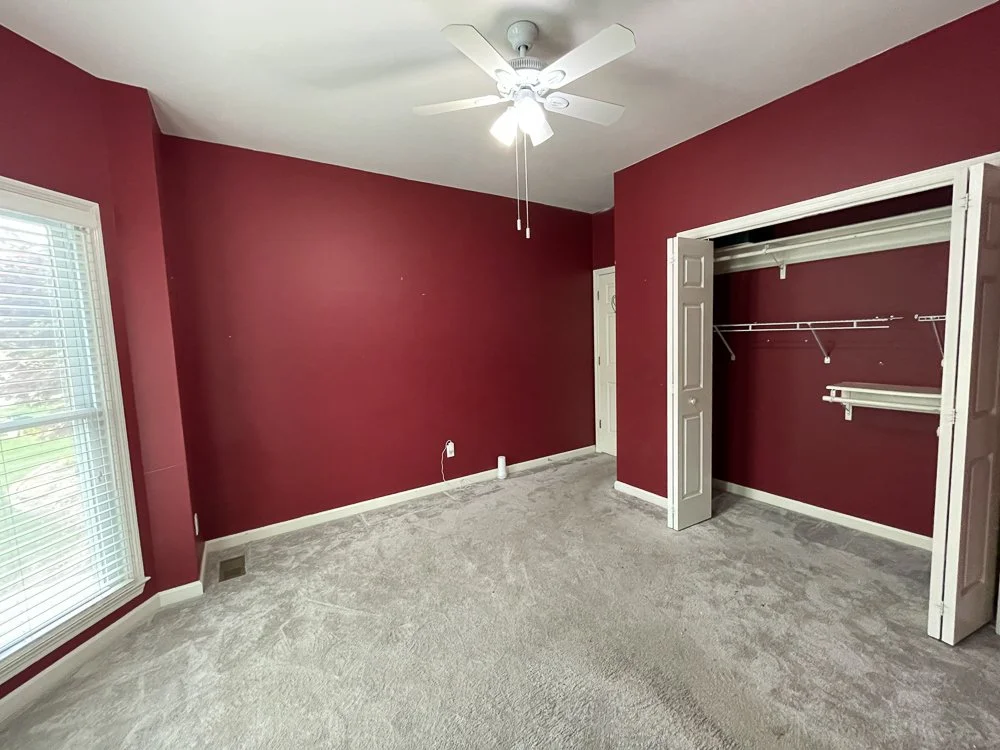
This red may not be the best choice when you want to sell.
Our seller decided to sell their house following their partner’s passing. They had spent years customizing their home to their tastes and needs, and several repairs had been put off while the seller and their partner struggled with their health. They and their family were ready to commit $5,000 to repairs and updates. They were optimistic they would get top dollar for their home, initially wanting to list for $20,000 more than the most expensive comparable listing.
There was a lot to love about their house, from the size to the neighborhood, and it had been a happy home for many years. Plus, they had heard of other homes in the same development selling for more than the comps. But, with buyers holding all the power, the seller found the market more challenging than they had expected.
Essential Prepwork
Cleaning and Decluttering
What improvements or repairs, if any, you make to your home will depend on your unique situation, but there are a few steps any seller can benefit from. The first is cleaning and decluttering your home.
You want buyers to envision themselves living in your house, surrounded by their personal belongings. If your family photos and clutter are all over the walls, many people will struggle to visualize anyone but you in the home. In addition, clutter and large furniture can hide architectural details and make your home feel smaller.
To put your best foot forward, pare down the personal items you have on display by either packing them up or getting rid of things you don’t want to take to your next home. Remember that buyers will be opening closets, medicine cabinets, and built-ins to get an idea of how much storage your home has. Photos and collectables, as well as things like medications that you don’t want potential buyers to see, should be neatly boxed up rather than hastily shoved into a closet.

Treasure from the past finding a new home
Our seller decided to fully vacate the home before listing, emptying it of all possessions and furniture before the first open house. They opted for an estate sale to sell off a majority of furniture and collectables, but many sellers will have a yard sale to get rid of unwanted items. Not only will your newly decluttered space appeal to buyers, but you’ll have fewer boxes to worry about when you move out.
Once you’re decluttered, a thorough cleaning is essential. Now is the time to clean all those spots you might have been ignoring, such as baseboards, windows, the bottoms of drawers, and deep-cleaning carpets. While you can absolutely do it yourself, this is a good moment to consider hiring a professional cleaning service. Many offer special move-out services that include cleaning inside appliances and other areas you may not have thought of.
Painting
Beyond cleaning and decluttering, it’s generally good practice to repaint the interior of your home in a light, neutral color before listing your house. Making sure any holes and dings are filled and scuffs covered will make your home look newer, cleaner, and better maintained. In addition, repainting bold colors with a neutral color makes it easier for buyers to envision themselves in your space. If they’re not a fan of the bright green you painted your living room, they may view it as another, potentially costly project they’d have to do before moving in.
Our seller initially only repainted a few brightly colored walls and ceilings, but ultimately repainted the entire home after the first open house. Removing their furnishings revealed additional damage to the walls, which multiple potential homebuyers noticed and commented on. The fresh coat of paint and freshly repaired walls made a great impression at the next showing.

Preparation is key
Staging
If you have the budget, you can hire a staging company to professionally stage your home. This is one of the few investments that is likely to come back to you five to fifteen-fold (at least according to the Real Estate Staging Association). If you haven’t moved out yet, they’ll use your existing furniture plus some of their own to draw attention to your home’s best features. If your house is vacant, the stager can temporarily furnish the home to make the empty spaces seem more inviting and help buyers better imagine what the house might be like to live in.
While it’s worth taking statistics on the efficacy of staging that come directly from a staging industry association with a grain of salt, there’s plenty of anecdotal evidence from realtors to back it up. A good stager can make your home look more expensive, and that can lead to better offers and a faster sale - and a faster sale means fewer mortgage payments for a home you don’t want to be in.
If you don’t have the budget to spend on a stager, you can DIY it. Websites like Homes & Gardens and Good Housekeeping have articles on how to stage your own home, but in general you’re trying to make your home look larger, brighter, and more welcoming.
In addition to cleaning, decluttering, and repainting, you may want to rearrange your furniture. When we’re living in our homes, we lay out our spaces for practicality, but the goal is form more than function when staging. Moving your furniture to where it looks the best, even if it might make it harder to see the TV, can totally change buyers’ impression of your space. You may also want to add storage furniture to address any remaining clutter.
To make your space brighter, adding accent lighting and removing window treatments are your best bet. Shop your own home for lamps that might find a new home in a different room. The same goes for other furniture as well; if you can look at your office bookcase as just a shelving unit rather than something that belongs in only one room, you may find it makes a bigger impact as storage in your living room.

Staged Livingroom
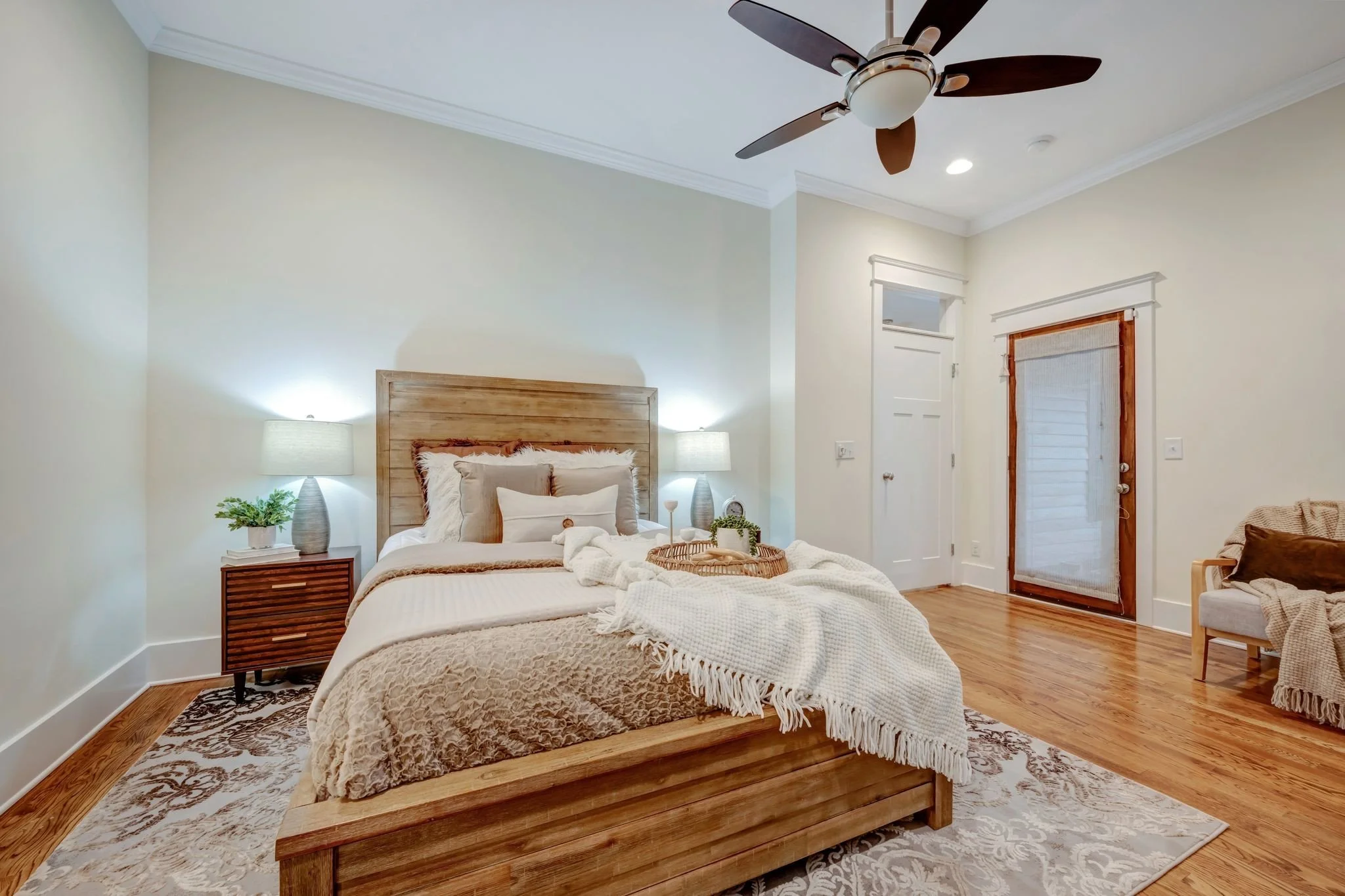
Staged Bedroom
Don’t forget to do a little staging and tidying of your outdoor spaces, as well. After all, buyers will see your front yard before they see the inside of your house. A tidy garden bed and freshly painted front door will give buyers a great first impression of your home.
Repairs and Updates
Repairs
In a buyer’s market with so many homes available to choose from, sellers have to go above and beyond the standard decluttering and cleaning to stand out. In addition to a fresh coat of paint, this is a good moment to do as many repairs and minor upgrades as you can before opening your home to buyers.
When you’re actually living in your home, it can be easy to live with minor (or even major) inconveniences. Maybe the sink drips, or the enamel in the tub is chipped; maybe the carpeting is looking a little worse for wear, or the counter is stained. We tell ourselves, “I’ll fix it later,” until we stop noticing the problem altogether.
Unfortunately, buyers aren’t as forgiving. The dripping sink and aged carpeting look like extra expenses on top of their new mortgage payment. Something like a leaky faucet is usually an easy, affordable fix, but if you don’t want to deal with it, neither will the new homeowner. It can also raise the question: “What larger maintenance issues have also been neglected?”
Before you list your home, do your best to repair any problems that might be distracting to buyers during a walkthrough. Your realtor can be a massive help in both identifying issues and in prioritizing which repairs to focus on, especially if you have a limited budget or short timeline.
Even if maintenance issues won’t be immediately obvious to buyers, they’ll likely come up during an inspection. If you’re aware of other, less obvious maintenance issues, you may want to repair those as well. If you don’t complete them before you list, you may find buyers demanding the projects be completed or the sale price discounted before closing on the sale of your home. Plus, things like a new roof or HVAC system can actually be a draw for buyers.
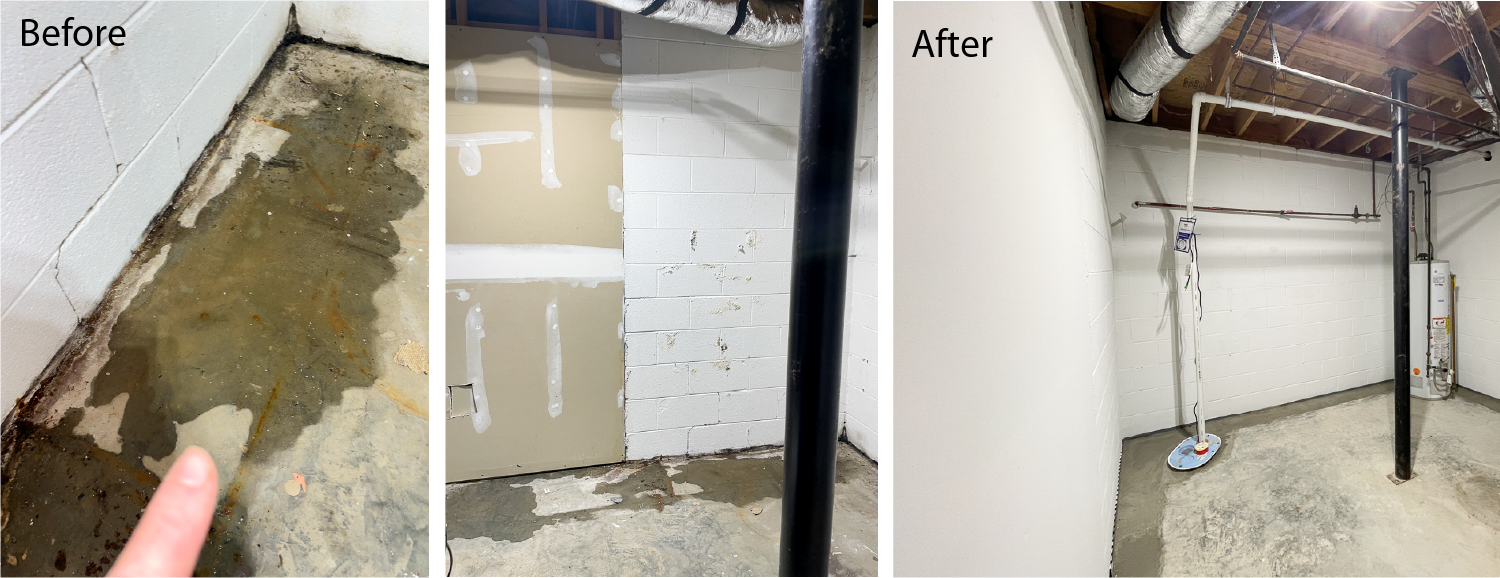
Some maintenance issues can be both hidden and distracting to buyers. During the first open house, our seller received multiple comments about a musty smell in the basement and black mold in the utility closet. Mitigating the mold and smell meant finding the source of the moisture, which ultimately uncovered water pooling against the basement wall. Adding a drain, resealing the concrete, and repainting the interior wall cost upwards of $5,000, but it was necessary to address the smell and mold, and made all the difference to buyers.
Updates
Even if your home is meticulously maintained, dated features can be as distracting to buyers as deferred maintenance. Flooring is one of the most common complaints from buyers. Carpet has been supplanted by laminate, luxury vinyl plank, and engineered wood. While even new homes might use carpet in bedrooms, many buyers prefer hard surfaces in higher-traffic areas like living rooms and foyers. Replacing aging carpets, even just with newer carpeting, is a major draw for buyers.
Our sellers had a great deal of carpeting in their home that hadn’t been updated in many years. Even after a thorough clean, the dated flooring was still the most common complaint from prospective buyers during the first open house. To keep costs down, the seller opted to replace the aged carpet with new wall-to-wall carpeting, and while many still preferred hard surfaces like laminate, buyer sentiment was much better at the second open house.
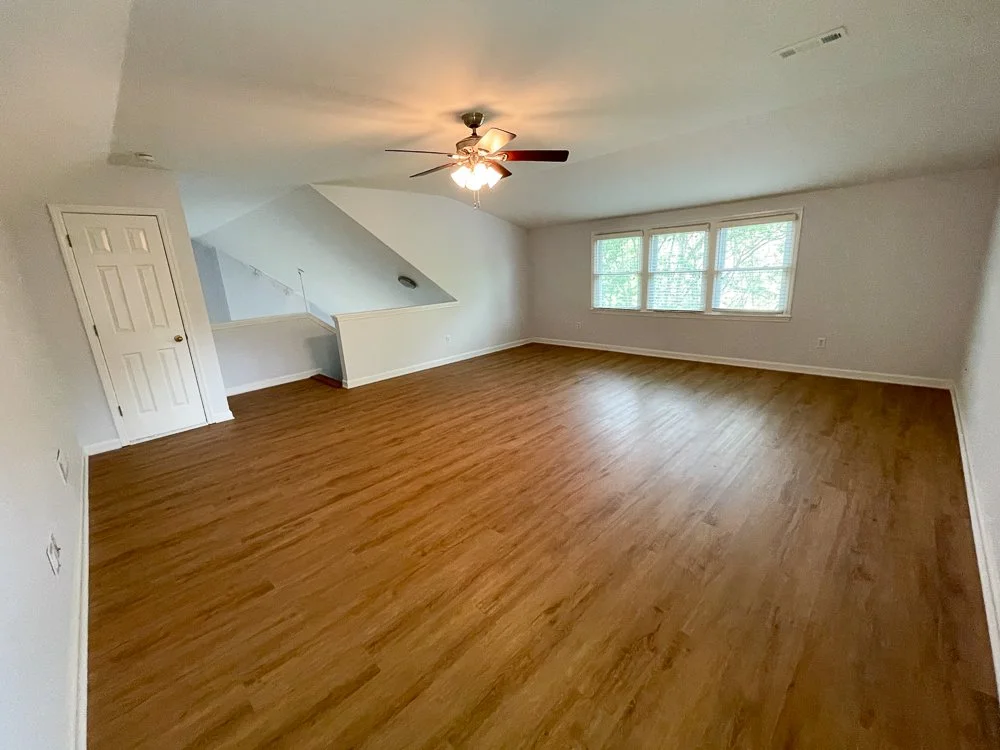
New flooring looks great.
Return on Investment: Taking a Measured Approach
Working on your house can improve the sale price, but you won’t necessarily “get back” all the money you put in. In most cases, repairs and improvements are only getting your home up to the standard of comparable homes in your area.
For example, if you spend $15,000 to replace a failing roof, don’t expect offers $15,000 higher than your previous list price. Similarly, if you spent $5,000 replacing aged carpeting with laminate flooring to better match other listings in your area, it might improve your chances of getting an asking-price offer, but your home won’t suddenly be worth an additional $5,000. To you, it’s an expense and an improvement; to buyers, it’s meeting expectations.
Our seller ultimately invested more than the $5,000 they had originally committed to repairs and improvements, and still needed to lower their asking price twice by a total of $30,000 to get an offer. Even then, the offer they accepted was 10% below the new, lower list price.
With that in mind, it’s a good idea to take a conservative approach with your updates and renovations. Doing a $30,000 luxury kitchen renovation isn’t going to result in $30,000 in additional profits, especially if the rest of the homes in your neighborhood are more modest. Remember, the value of your house isn’t just based on the physical structure, but the surrounding neighborhood and amenities as well.
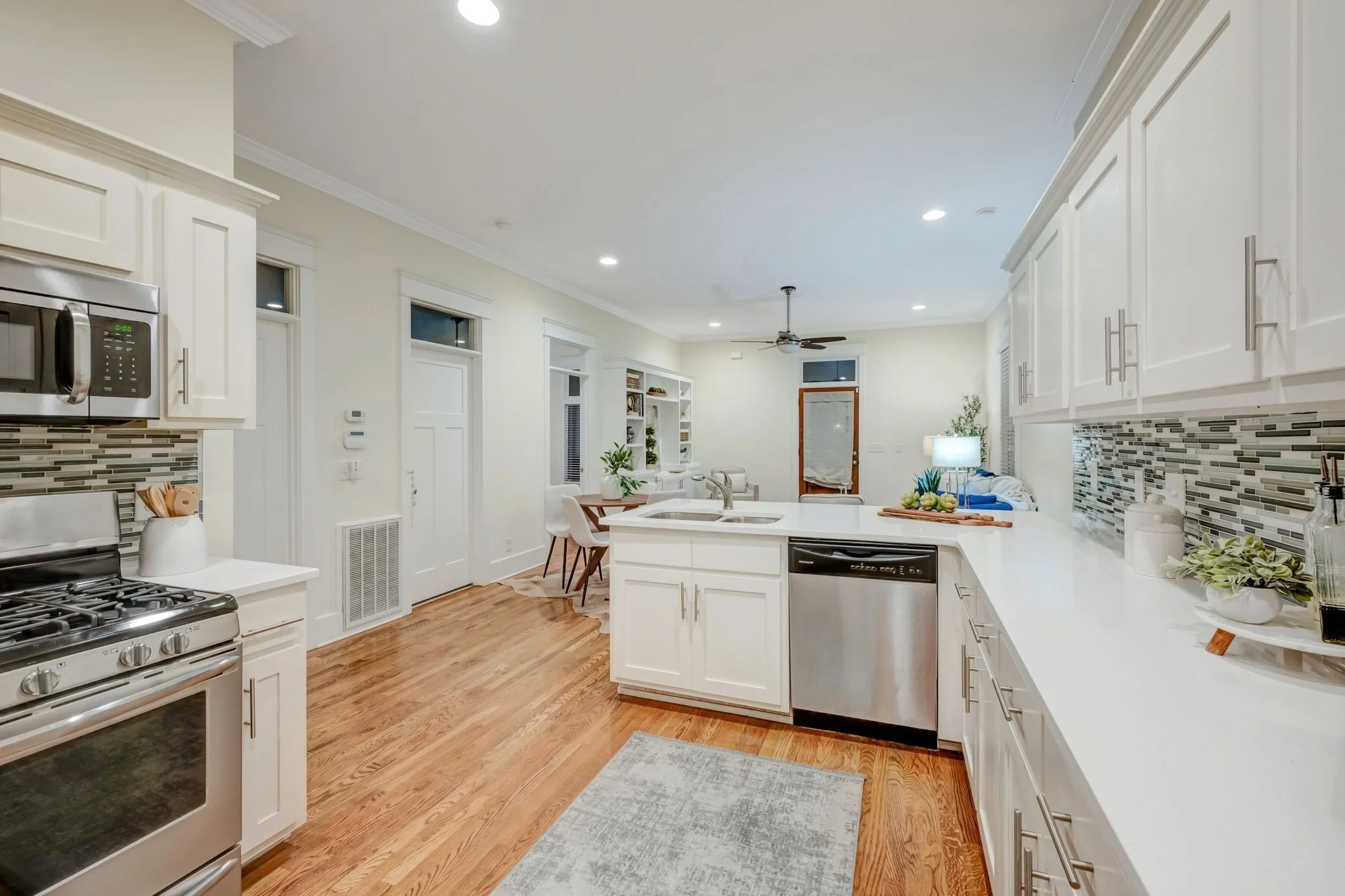
New kitchen countertops can really elevate the space
Kitchen and bathroom updates are some of the most impactful renovations you can do, but are notorious for being some of the most costly. The key is to keep it small but impactful. This means replacing light fixtures or faucets and making sure your tub and shower are freshly caulked rather than replacing your toilet or retiling your surround. In some cases, replacing a dated or damaged countertop may be worth the cost, but looking for the small details that date a room, like paint, hardware, and light fixtures, is often enough to change how buyers see your home.
Selling As-Is
Not everyone can afford to update flooring or replace a roof. Even if you can afford it, knowing your investment likely won’t translate to a higher sale price can be discouraging. If you can’t or won’t make any changes to your house, there are a few things to keep in mind.
First, expect your home to spend longer on the market. With so many homes for sale and so few buyers, it’s easy for your home to get lost in the crowd. Buyers are far more likely to gravitate towards homes with updated kitchens and bathrooms that will show well in appealing photographs. According to Greater Nashville Realtors, single-family homes spent an average of 51 days on the market in June 2026. If you’re selling your home as is, there’s a good chance it will take longer than that to get and accept an offer.
Second, you’ll likely have to lower your asking price to make your listing stand out, and you should expect below-asking offers. In a buyer’s market, you can expect to get less for your home in general, but especially if your home doesn’t match buyer expectations. With how competitive the market is for sellers, that price might be even lower than you’re imagining, possibly even less than the appraised value of your home.
Many buyers view an as-is house as a chance to get a bargain, spending the money they save on repairing and customizing their new home. Not only will your initial listing price be lower, but your realtor may also recommend that you lower the price again after listing your home. Adjusting your price pushes your listing back to the top of the MLS and shows buyers that you’re motivated to sell.
Thirdly, you will likely have to make concessions when you do get an offer. Savvy buyers will use the inspection period as a chance to continue negotiating. If the home inspection turns up needed repairs, they will likely ask that you either have the repairs done or discount the cost of repairs from the final sale price.
You can include some of these concessions in your listing. Many sellers are now offering to cover closing costs and even offer to pay a 4% buyer’s agent commission rather than the more common 1.5 to 3%. With high interest rates, it’s become increasingly common for sellers to offer to cover part of the cost of a mortgage buydown, giving the buyer cash to pay down a portion of their mortgage and lower their interest rate.
The unfortunate reality is that, while your sale price may not be as high as you hoped, prices are still high, especially when coupled with mortgage rates. Younger buyers are facing high monthly mortgage payments, student-loan debt, and lower wages relative to home prices. This leaves them with tight budgets for repairs and improvements.

The house now has a new owner
Conclusion
Selling your home in a buyer’s market isn’t always easy, but you can still be successful. And if not selling the house isn’t an option then it’s absolutely vital to face the reality of the changed residential real estate market - from a frantic extreme sellers’ market to now a normalized and a buyers market.
Doing the right prepwork and approaching the process with a good mindset are key to getting the most out of your sale. Our seller recently closed on the sale of their home. It took a good deal of work on their part and ours, but their willingness to meet the market, to resolve issues and work with the buyer helped them achieve their goal of selling their home
If you need help selling your home, reach out.